

TL;DR: The article argues that developers should prepare for AI-generated code by shifting from syntax production to judgment, architecture, and orchestration. They should learn to evaluate code, design systems before implementation, review AI output for security and performance problems, and work effectively with prompts. Developers can also specialize in platform engineering, building guardrails and infrastructure for scalable, safe AI-assisted development.
- Prioritize architectural intuition, system understanding, performance awareness, and fast code review over syntax memorization.
- Use AI pair programming by defining architecture first, breaking work into small tasks, and reviewing outputs for edge cases, security issues, and race conditions.
- Build reusable prompt libraries and documented review checklists to make AI workflows consistent.
- Consider specializing in AI orchestration or platform engineering for AI-assisted development.
- Develop automated validation, guardrails, testing, deployment, and observability systems to support AI-generated code safely.
The risk is not that AI writes code. The risk is that developers who only translate tickets into syntax lose leverage when the syntax gets cheaper.
What this means in practice
- Add checklist of skills that still compound in AI-assisted teams.
Your job description just changed. And you have six months to adapt.
Anthropic CEO Dario Amodei recently predicted that 90% of code will be AI-written within six months. Not in some distant future. Not in a decade. Six months. If you’re still thinking of AI as a helpful autocomplete tool, you’re already behind.
The Developer Role Is Splitting in Two
The traditional “write code, ship features” developer role is fragmenting into two distinct paths. One group will become AI wranglers who spend their days prompting, reviewing, and orchestrating AI-generated code. The other will evolve into platform architects who build the systems that other developers and AI tools operate within.
Neither path looks like what most developers do today.
Consider what’s already happening at companies adopting AI-first development. Development velocity has increased 40-60% in early AI adoption teams, but the skill mix has shifted dramatically. Junior developers who once spent weeks learning syntax are now reviewing hundreds of lines of AI-generated code on day one. Senior developers who once wrote intricate algorithms are now designing prompts and validating outputs.
The gap between those who adapt and those who don’t is widening fast. Developers who treat AI as a threat to avoid will find themselves competing with AI. Developers who treat AI as a capability to master will find themselves irreplaceable.
The question isn’t whether AI will write most code. It’s whether you’ll be the one directing it.
Vibe Coding: The New Core Skill
“Vibe coding” sounds like a meme. It’s actually the most critical skill for the AI era.
Vibe coding means understanding what code should do and feel like without necessarily writing every character yourself. It’s the ability to evaluate whether AI-generated code is elegant, maintainable, and aligned with your system’s architecture. It’s knowing when to accept AI suggestions and when to reject them.
Think of it like conducting an orchestra versus playing every instrument. You need to know what good music sounds like, understand how instruments work together, and guide the overall composition. But you don’t need to personally play the violin, trumpet, and drums simultaneously.
Here’s what vibe coding looks like in practice:
- Reading code faster than writing it: Top developers already spend 60-70% of their time reading code rather than writing it. That ratio is shifting to 80-90% as AI handles initial implementation.
- Pattern recognition over syntax memorization: Knowing that “this authentication flow feels wrong” matters more than remembering the exact JWT library syntax.
- Architectural intuition: Understanding that a microservice boundary is misplaced even if the generated code technically works.
- Performance instincts: Recognizing that an AI-generated database query will cause problems at scale, even if it passes tests.
The developers thriving with AI tools share a common trait: they’ve stopped optimizing for typing speed and started optimizing for judgment speed. They can glance at 200 lines of generated code and immediately spot the three lines that will cause production issues.
This isn’t about becoming less technical. It’s about becoming technical in a different dimension. You need deeper system understanding, not deeper syntax knowledge.
Platform Engineering: Building the Rails for AI
While some developers wrangle AI-generated code, others need to build the platforms that make AI-assisted development possible at scale.
Platform engineering is exploding because AI-generated code creates new infrastructure demands. When developers could write 50 lines of code per day, infrastructure could evolve slowly. When AI helps developers ship 500 lines per day, your deployment pipelines, testing frameworks, and observability systems become bottlenecks overnight.
The platform engineers who stay relevant are solving these specific problems:
Validation at AI speed: Traditional code review processes break when pull requests contain 10x more code. Platform engineers are building automated validation systems that catch issues AI commonly introduces—security vulnerabilities in generated authentication code, performance problems in generated database queries, accessibility gaps in generated UI components.
Guardrails for generated code: Smart platforms don’t just accept whatever AI produces. They enforce architectural patterns, security policies, and performance budgets automatically. One company reduced AI-generated security vulnerabilities by 75% simply by adding automated checks for common AI mistakes.
Developer experience for AI workflows: The best platform teams are rethinking the entire development environment. What does a CI/CD pipeline look like when most code is generated? How do you structure repositories when AI needs clear context? What observability do you need when debugging code you didn’t write?
Platform engineers aren’t just supporting developers anymore. They’re supporting developer-AI teams.
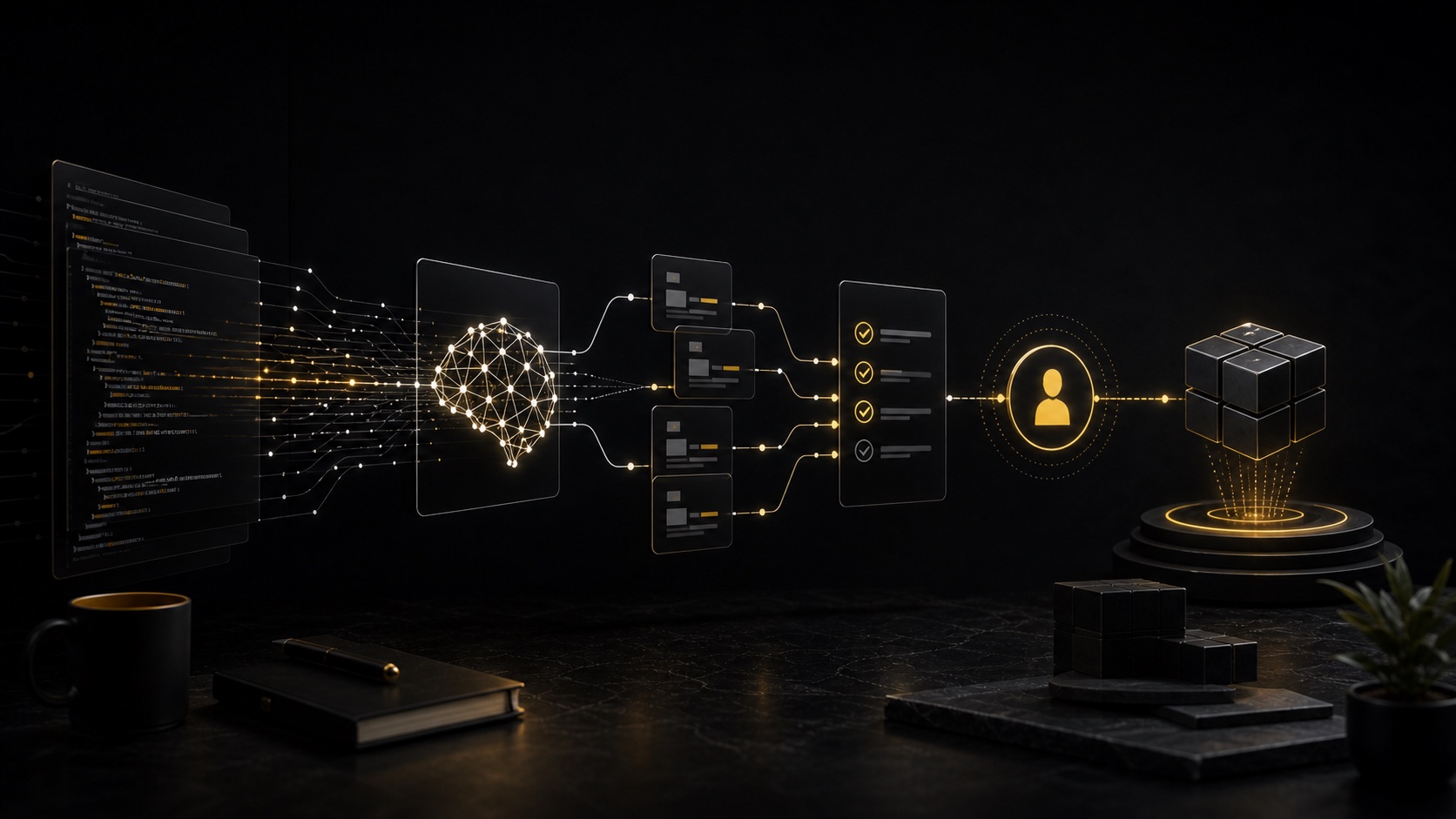
The opportunity here is massive. Companies are hiring platform engineers at 20-40% salary premiums because the role has become business-critical. If you can build systems that let your company ship AI-assisted code safely and quickly, you’re not just relevant—you’re essential.
AI Pair Programming: What Actually Works
The reality of AI pair programming is messier than the demos suggest.
Yes, AI can generate boilerplate faster than you can type. Yes, it can suggest completions that save time. But the developers seeing real productivity gains aren’t just accepting every suggestion. They’ve developed specific workflows that amplify their strengths while compensating for AI weaknesses.
Here’s what separates effective AI pair programming from theater:
Start with architecture, not implementation: The biggest AI pair programming mistake is opening a blank file and asking AI to build a feature. AI generates code that works but doesn’t fit your system. Instead, sketch the architecture first—define interfaces, identify dependencies, outline error handling. Then let AI fill in implementations within those constraints.
Iterate in small chunks: AI performs best on focused, well-defined tasks. Developers who try to generate entire features in one prompt get inconsistent results. Developers who break work into small, specific requests get reliable output. Think “write the email validation function” not “build the authentication system.”
Review with paranoia: AI-generated code often contains subtle bugs that pass tests but fail in production. The pattern is predictable: AI optimizes for the happy path and misses edge cases. Effective developers spend 30-40% of their AI-assisted time on review, specifically looking for error handling gaps, race conditions, and security issues.
Build a prompt library: The developers getting consistent results have documented their best prompts. They know exactly how to ask for a React component that matches their team’s patterns, or a database migration that follows their conventions. They treat prompts like reusable code.
The uncomfortable truth: AI pair programming requires more discipline than solo coding, not less. You’re managing a collaboration, not delegating to an intern. The developers who treat it casually ship bugs. The developers who treat it seriously ship features.
Key Takeaways
- Develop judgment over speed: Your value is knowing what good code looks like, not typing it fastest.
- Master the prompt-review cycle: Get specific with requests, then review output with systematic paranoia.
- Specialize in platform or orchestration: Pick whether you’re building systems for AI-assisted development or directing AI to build features.
- Document your AI workflows: The prompts and review checklists that work become your competitive advantage.
- Stay technical in new dimensions: Deep system understanding and architectural intuition matter more than syntax memorization.
Six months isn’t much time. But it’s enough if you start now.
The developers who will thrive aren’t the ones writing the most code. They’re the ones who understand systems deeply enough to direct AI effectively, or who build platforms that make AI-assisted development scalable and safe.
Your competitive advantage won’t be coding faster than AI. It will be knowing what to build, how it should work, and whether the AI got it right. Start building that judgment today.
Next step
Audit which engineering work should be automated, reviewed, or protected. Talk to DataTip.
Related Posts

Ecommerce Fraud Is a Margin Decision: Measure the Cost of Blocking Good Customers
Fraud programs that only track prevented fraud miss the real cost: lost…


Generative AI Copyright Risk Is Now a Contract and Supplier-Selection Decision
Ongoing generative AI copyright disputes mean buyers must evaluate…

40% of Tech Roles Gone: The AI Lesson Leaders Should Not Misread
What AI-driven tech role changes reveal about workflow design, technical…